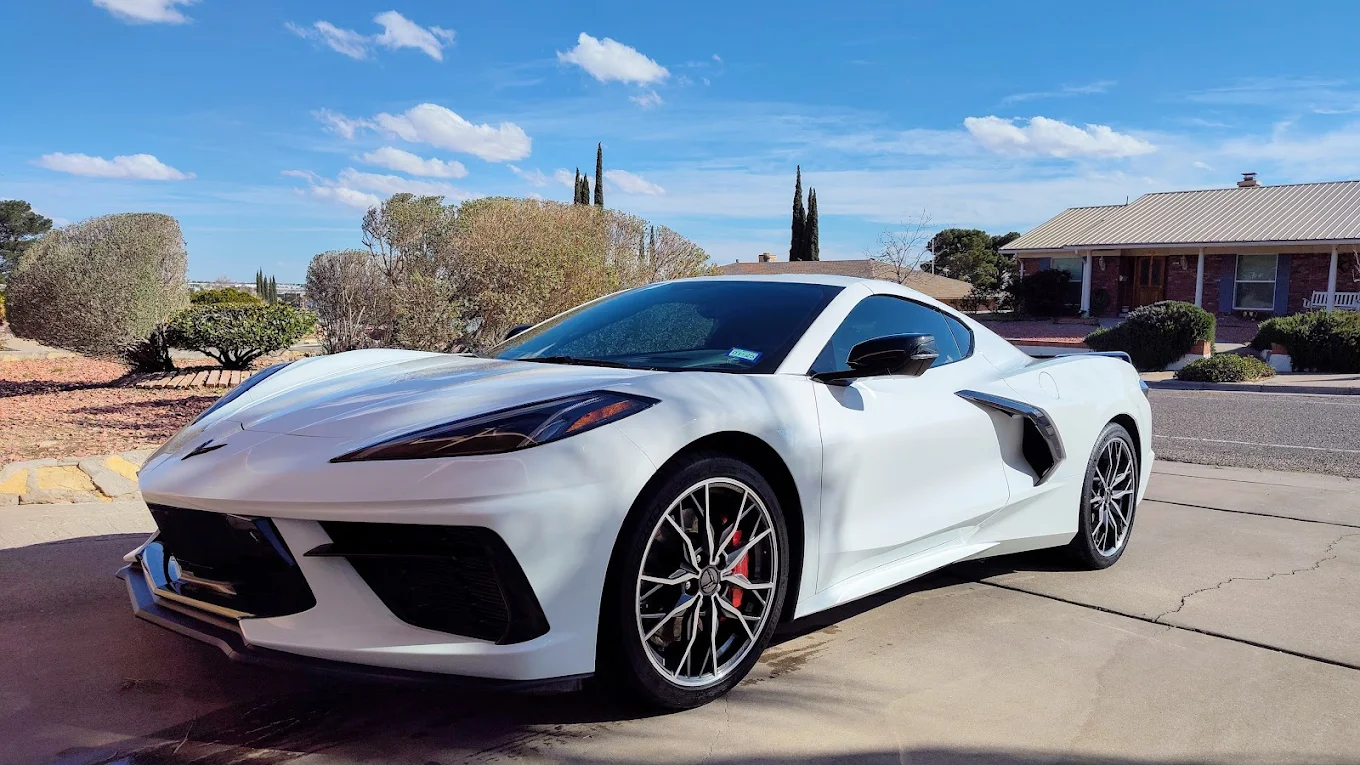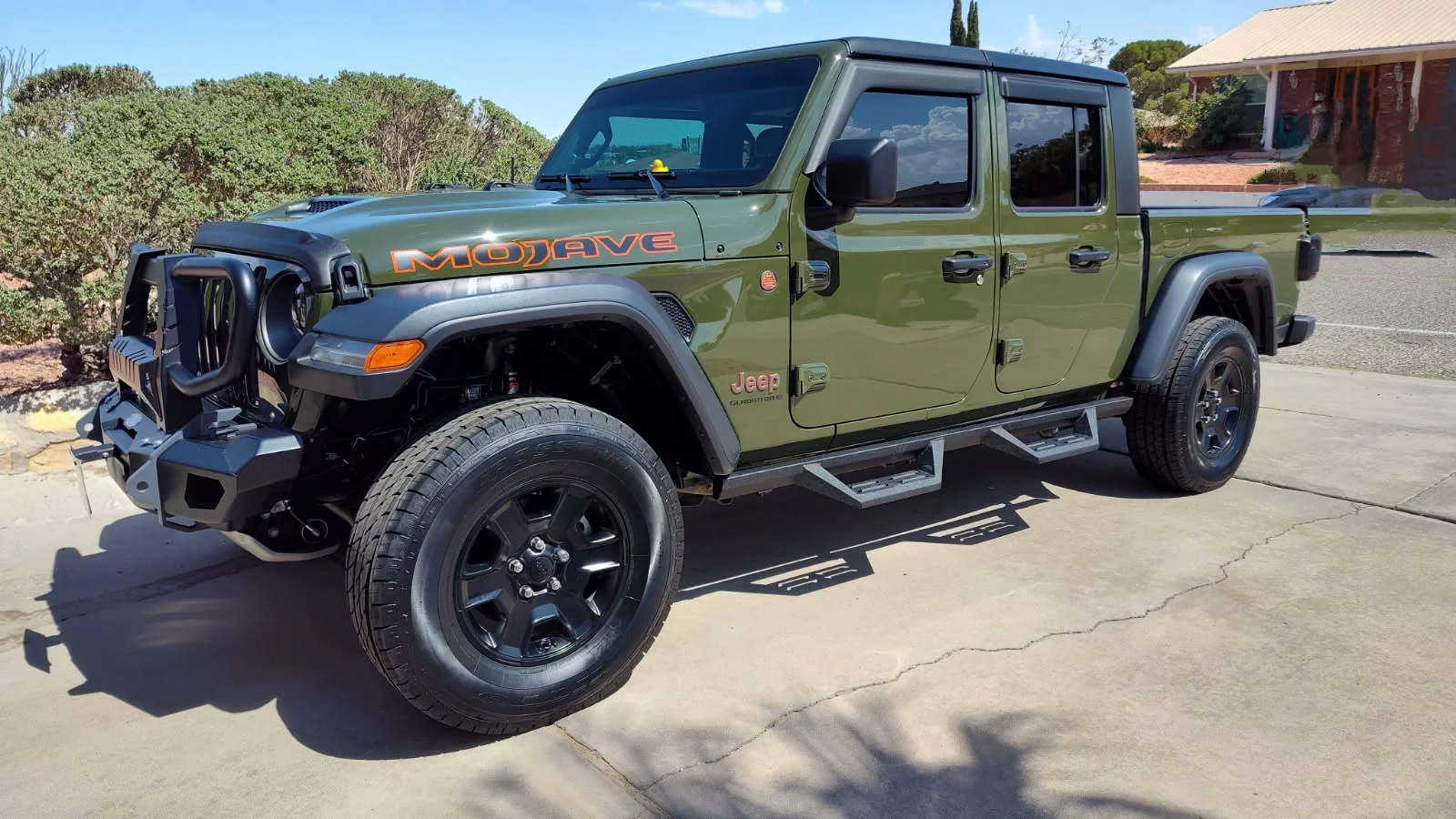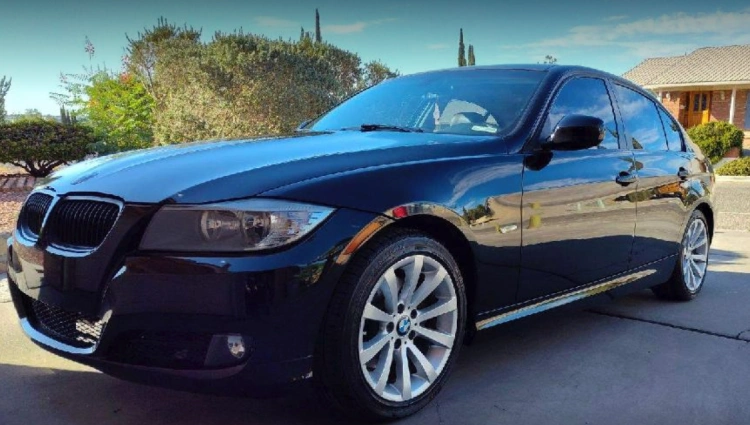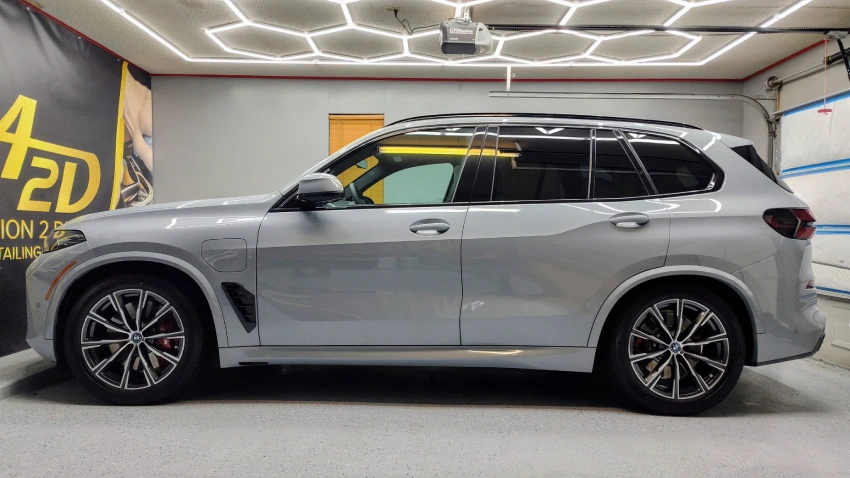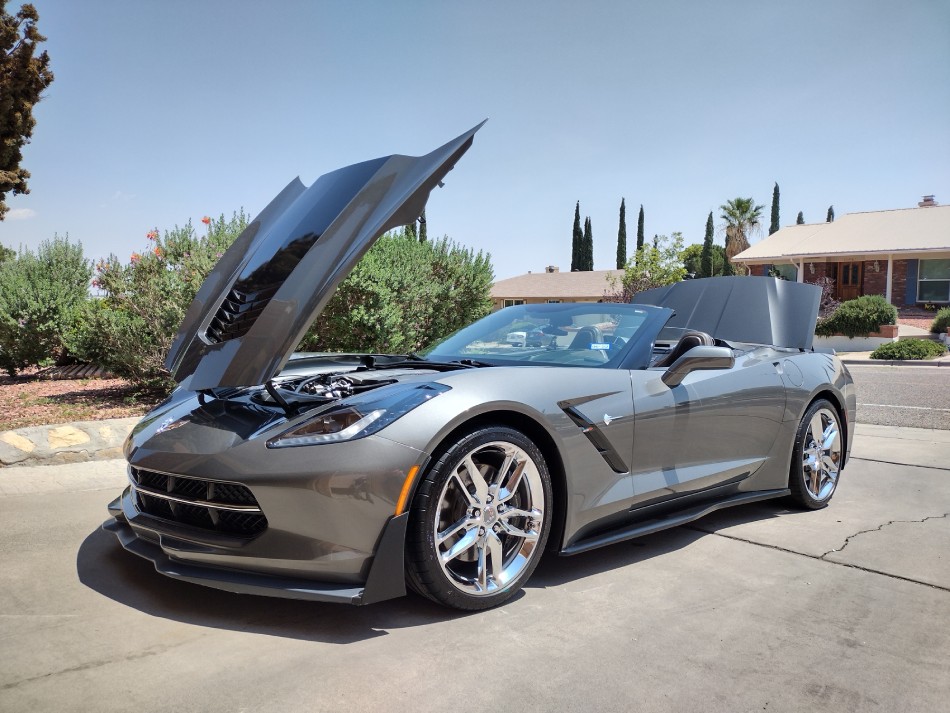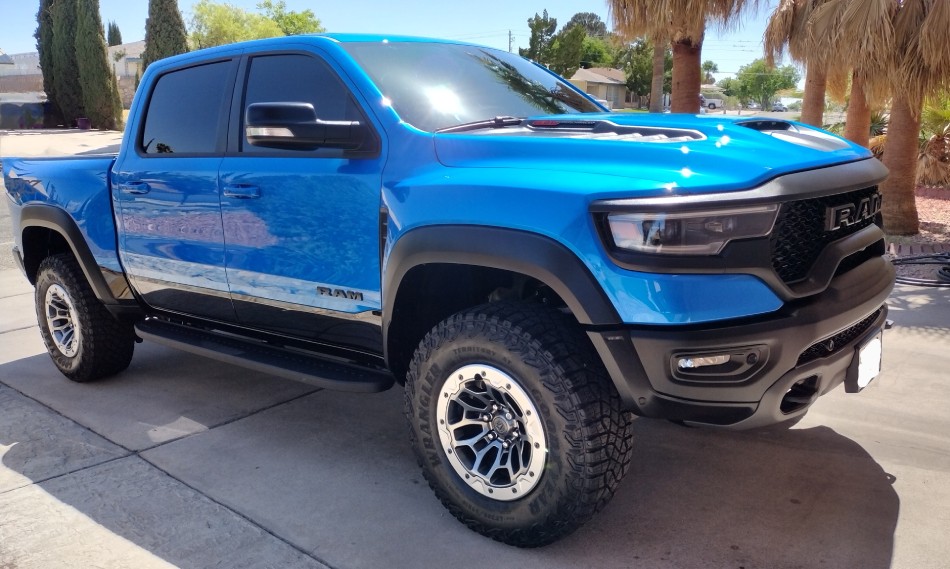
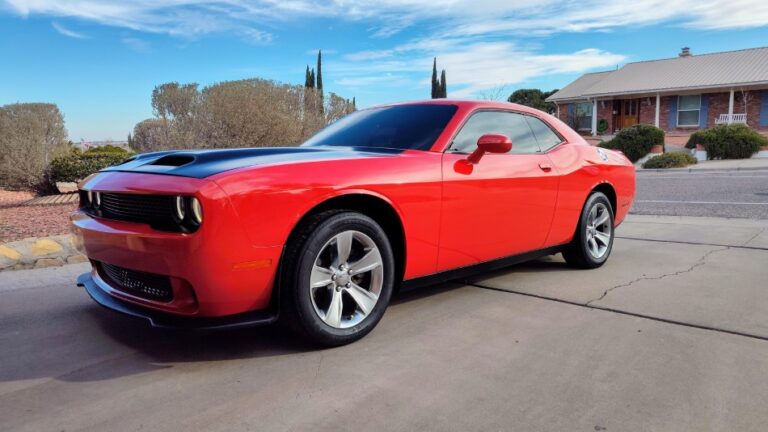
Your car’s paint faces a daily battle in El Paso — scorching UV rays, dust storms that feel like sandblasting, and gravel roads that can chip even the toughest finishes. The question is: Is ceramic coating just a fancy way to say “paint protection,” or is it truly automotive armor?
Let’s break it down.
What Ceramic Coating Actually Does
Ceramic coating is a liquid polymer that bonds to your car’s paint at a molecular level. Once cured, it creates a durable, hydrophobic layer that:
- Repels water, dirt, and contaminants
- Reduces the risk of minor scratches and swirl marks
- Protects against UV damage and fading
Think of it as a transparent shield that enhances both appearance and defense.
The Harsh Reality of El Paso Driving Conditions
If you live here, you know:
- Sun Exposure: Intense UV radiation fades paint fast.
- Dust Storms: Fine sand particles grind into paintwork.
- Gravel & Debris: Driving through rural or construction areas can leave chips.
Without protection, your vehicle’s finish ages quickly in the borderland climate.
Armor Level: How Ceramic Coating Deflects Damage
Unlike wax or sealants that wear off in weeks, ceramic coating holds its ground for years. In practical terms:
- UV Shield: Blocks harmful rays like a layer of sunscreen.
- Scratch Resistance: Not bulletproof, but tougher than bare paint.
- Chemical Resistance: Bird droppings, bug guts, and acid rain won’t etch into your clear coat as easily.
Beyond the Shield — Why It Still Needs Proper Care
Even the best armor needs maintenance. Ceramic coating isn’t an excuse to skip washing your car — it just makes the process easier and more effective. Routine care keeps that glossy, “showroom” look intact.
Conclusion
Ceramic coating isn’t just paint protection — in El Paso, it’s automotive armor designed to fight off the city’s most brutal conditions. Whether you drive a daily commuter or a weekend showpiece, investing in ceramic coating ensures your ride is ready for whatever the desert throws at it.